
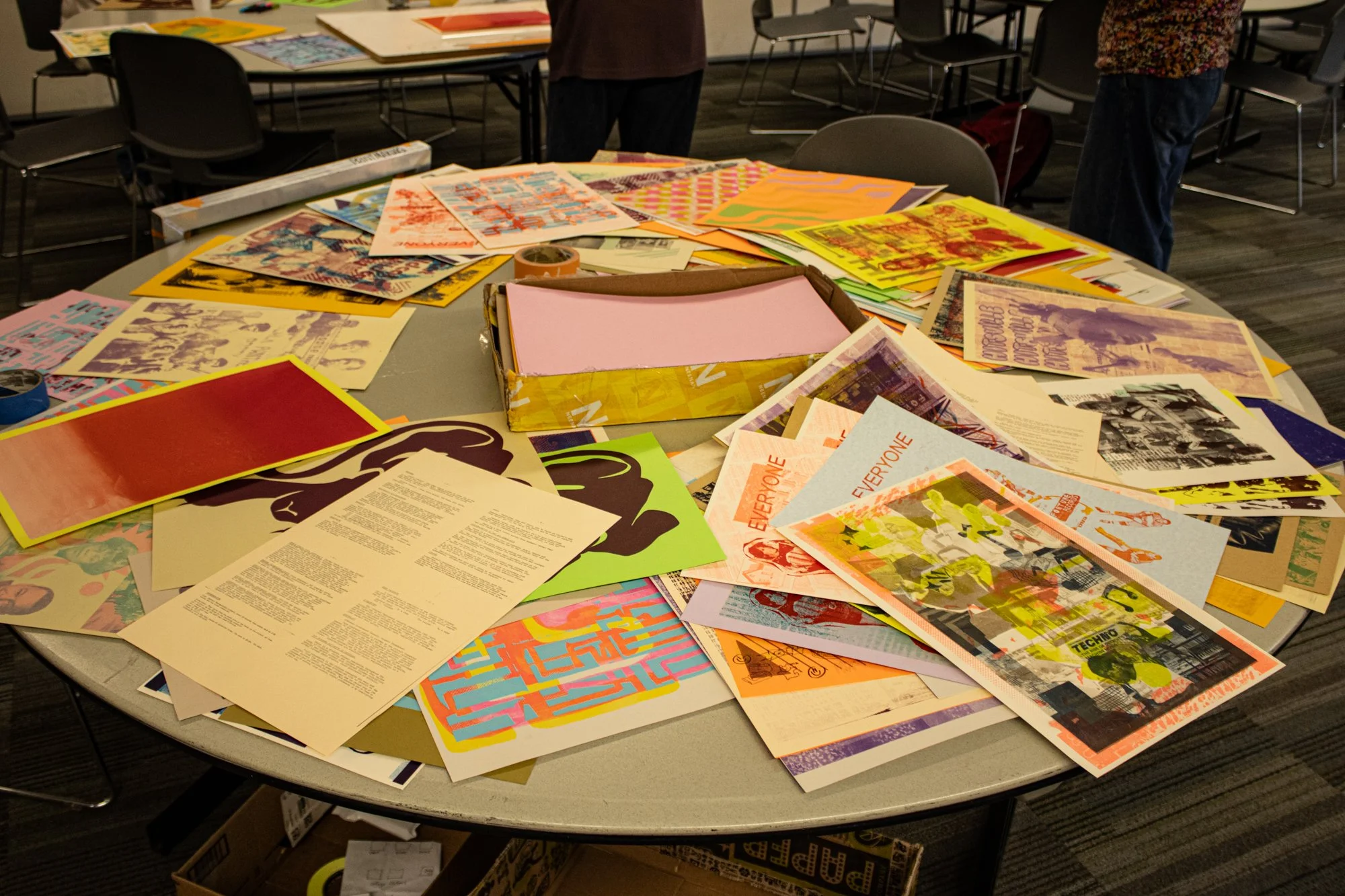
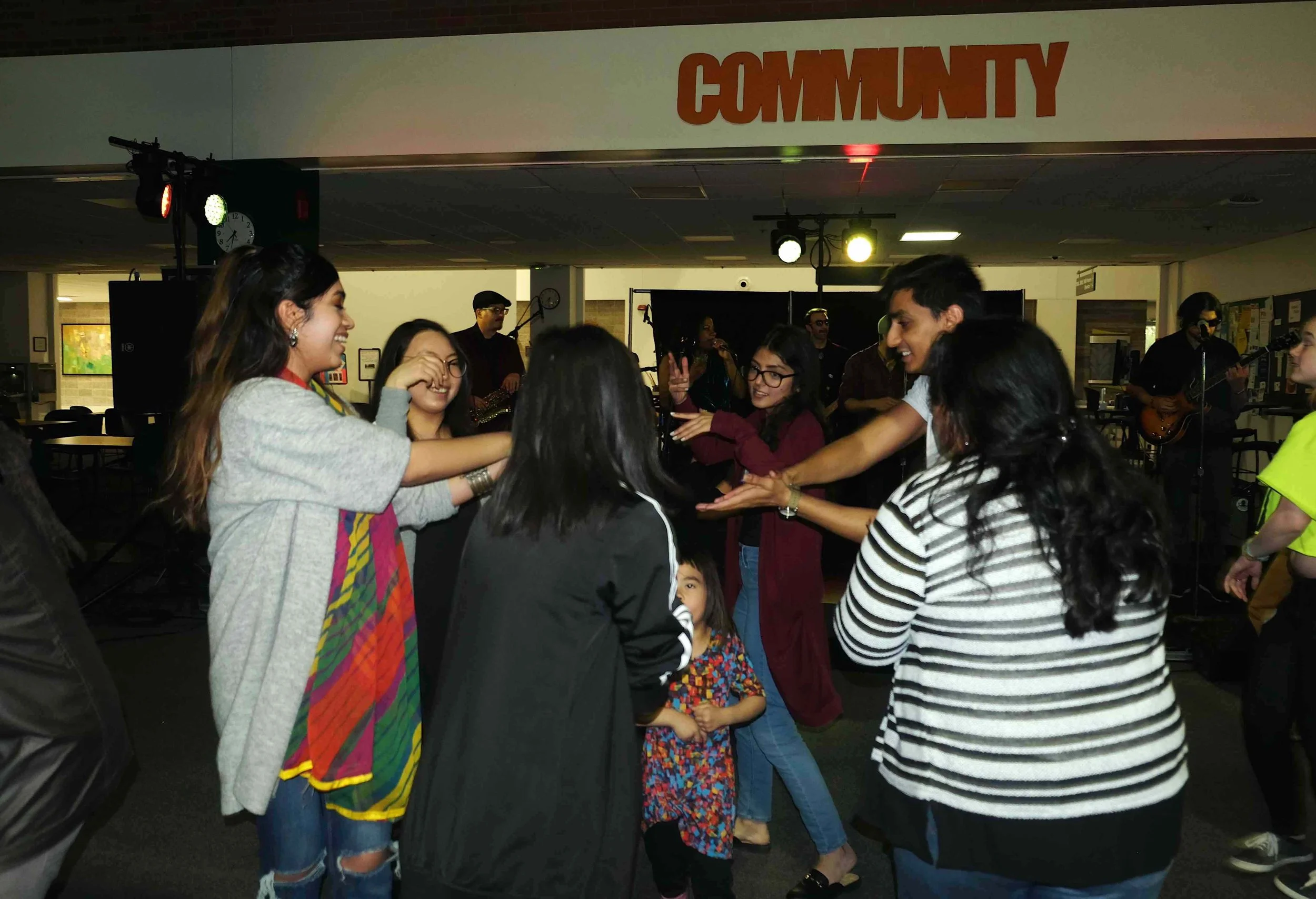
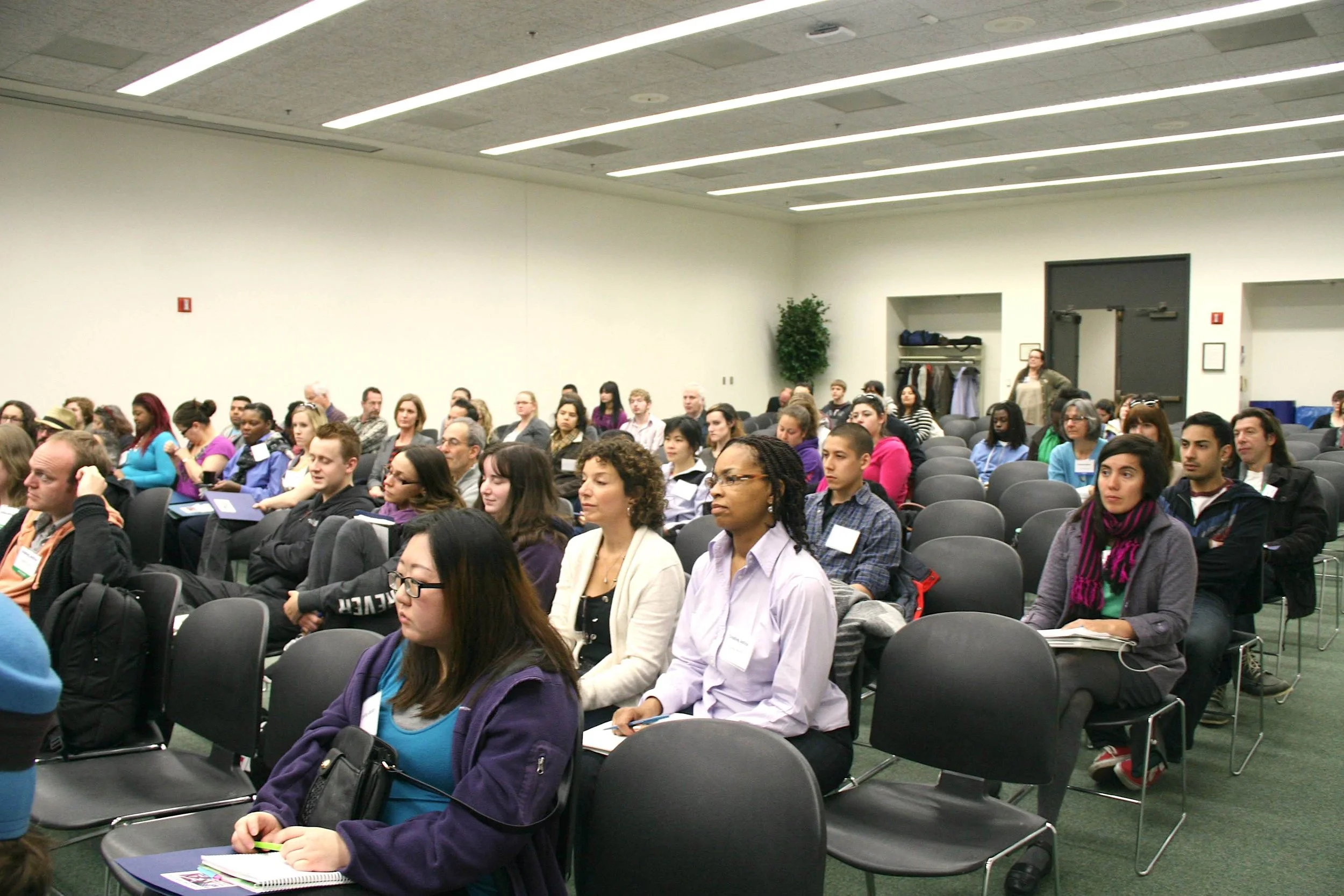
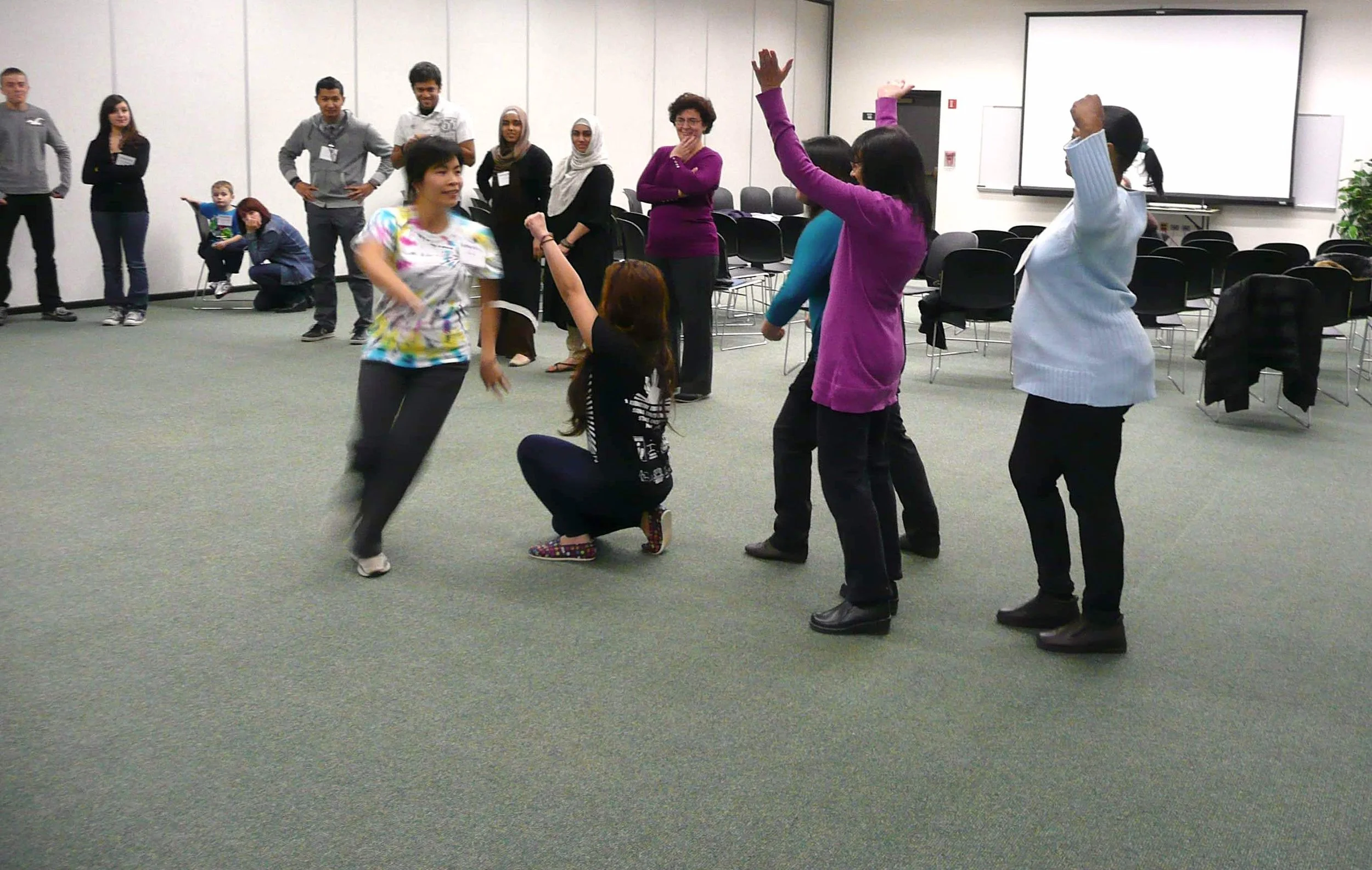
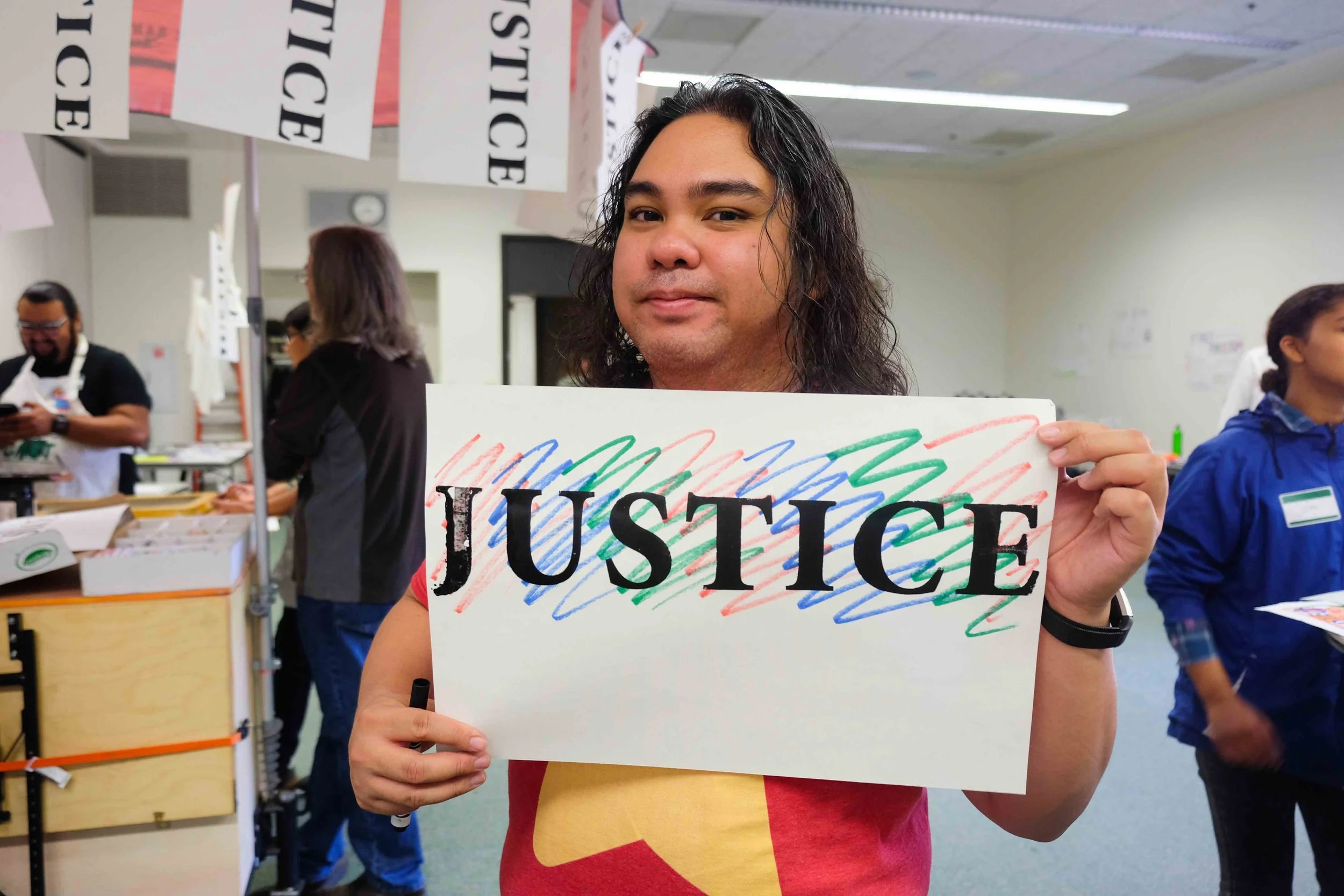
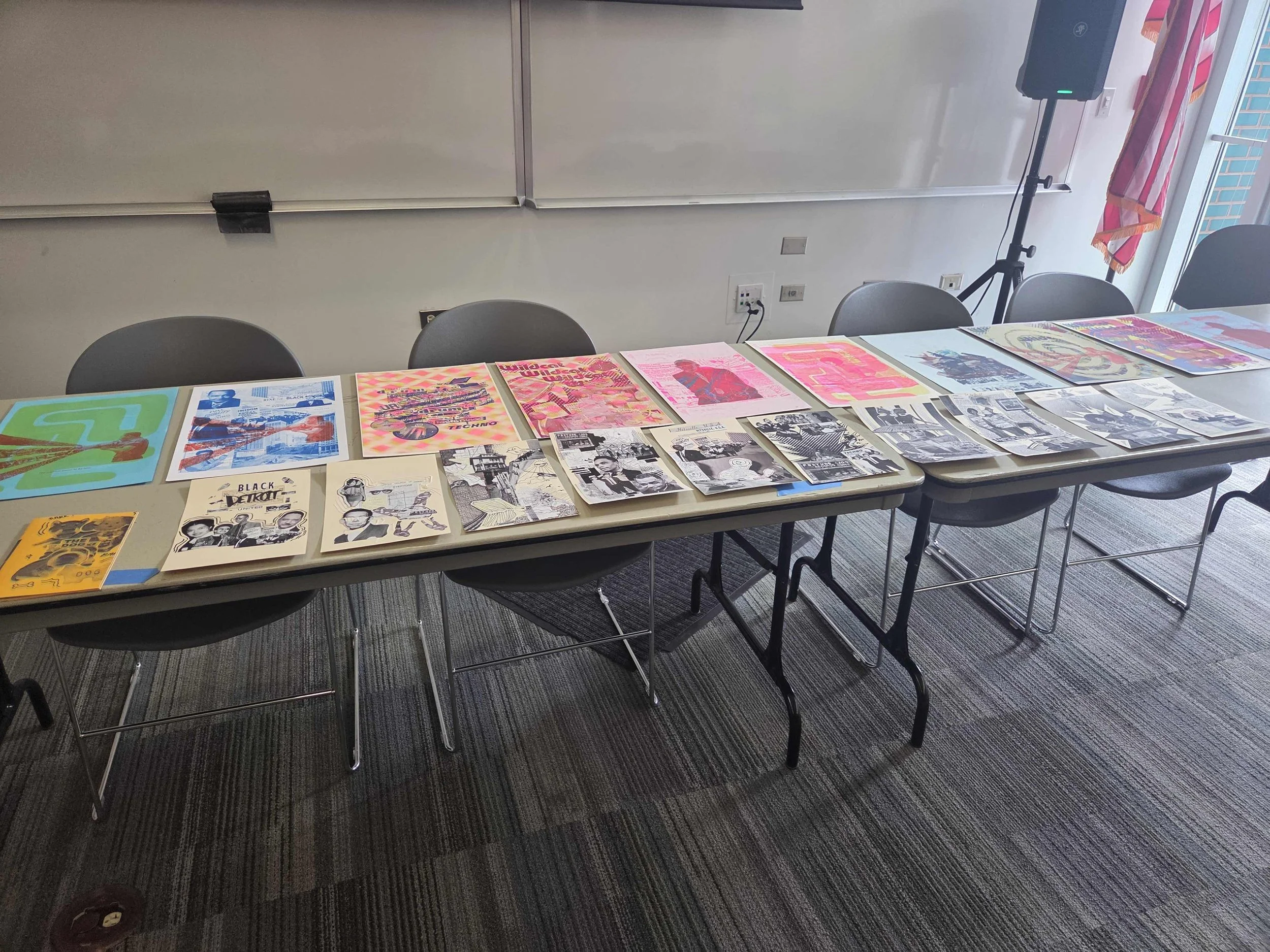
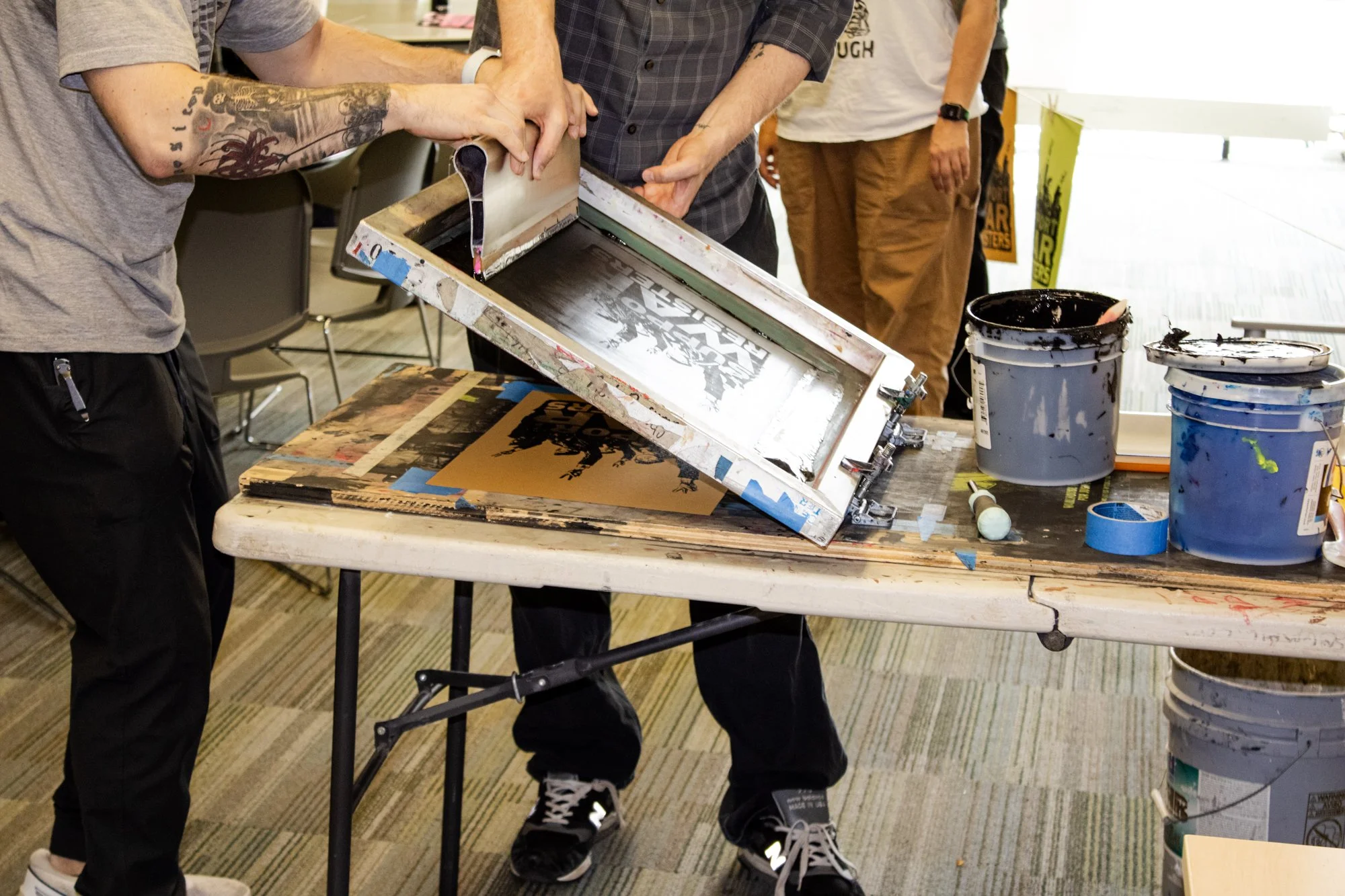
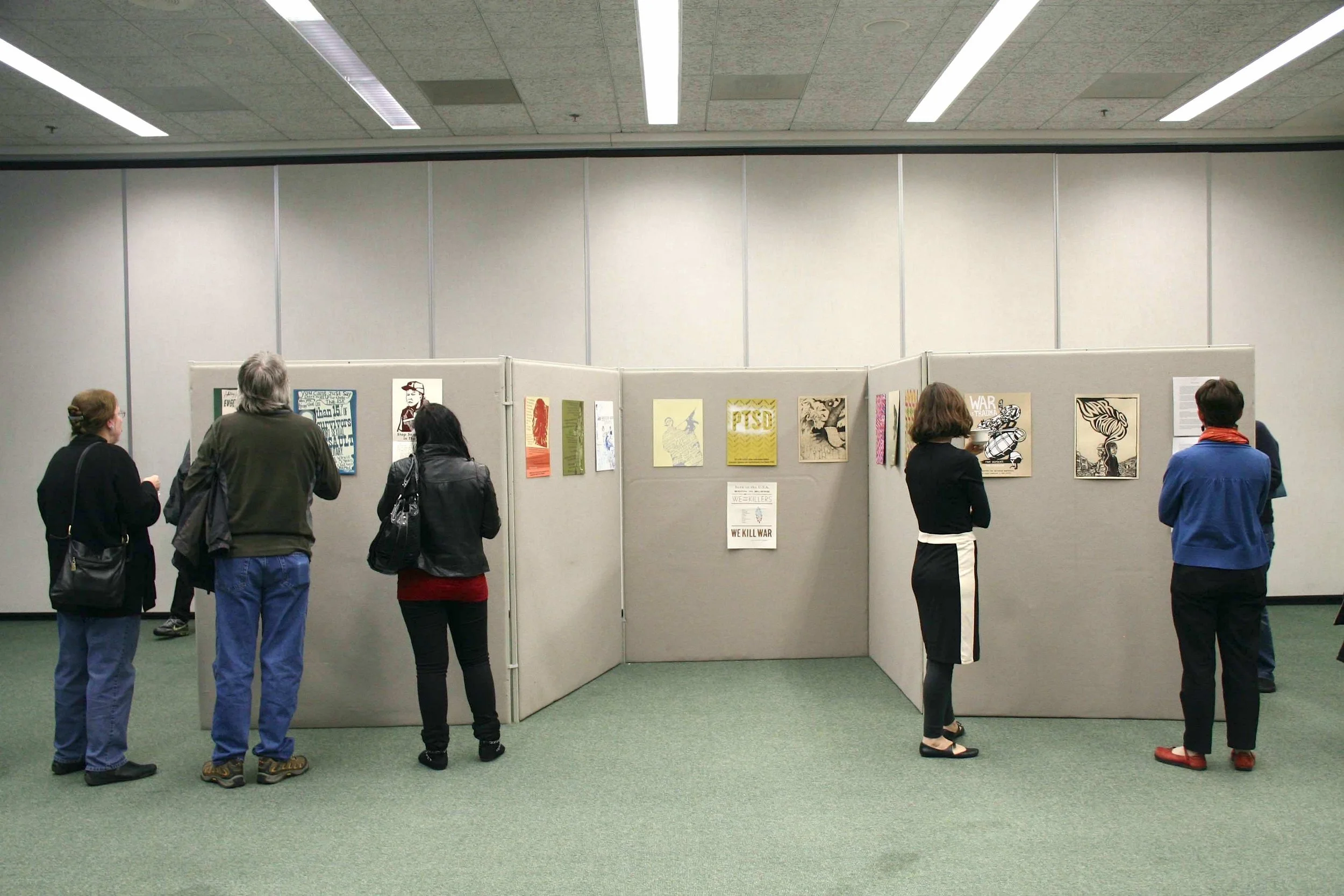
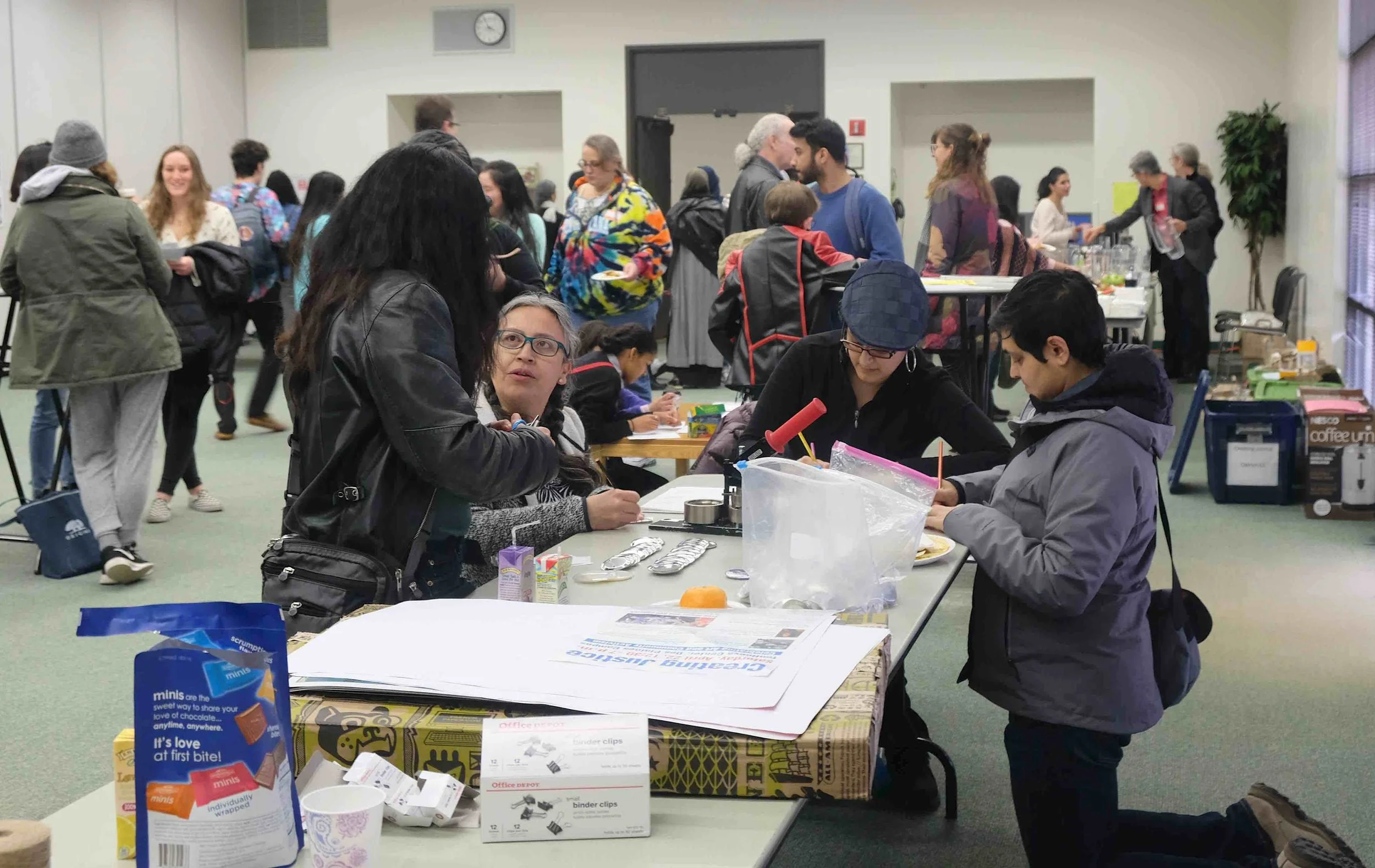
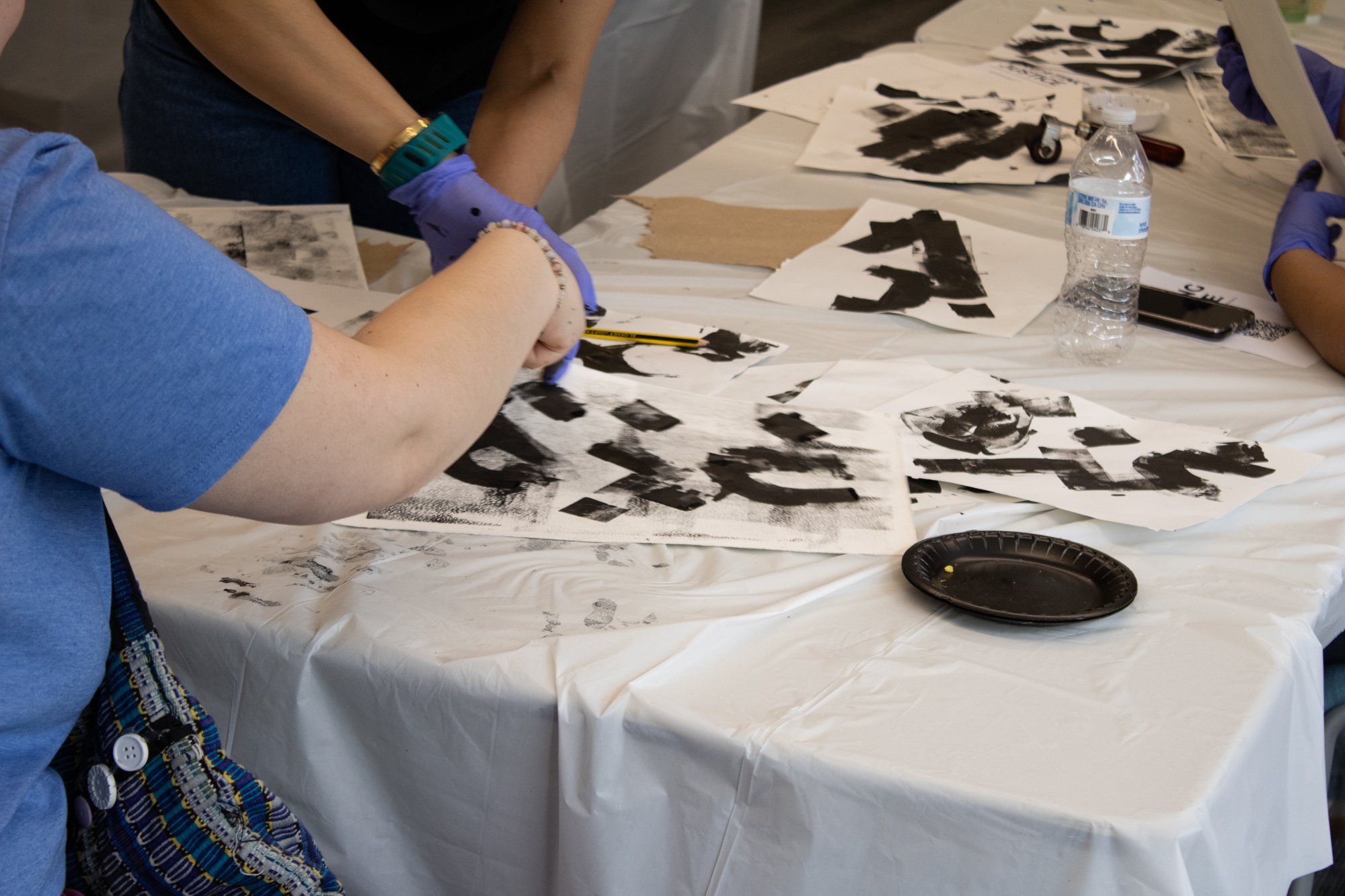
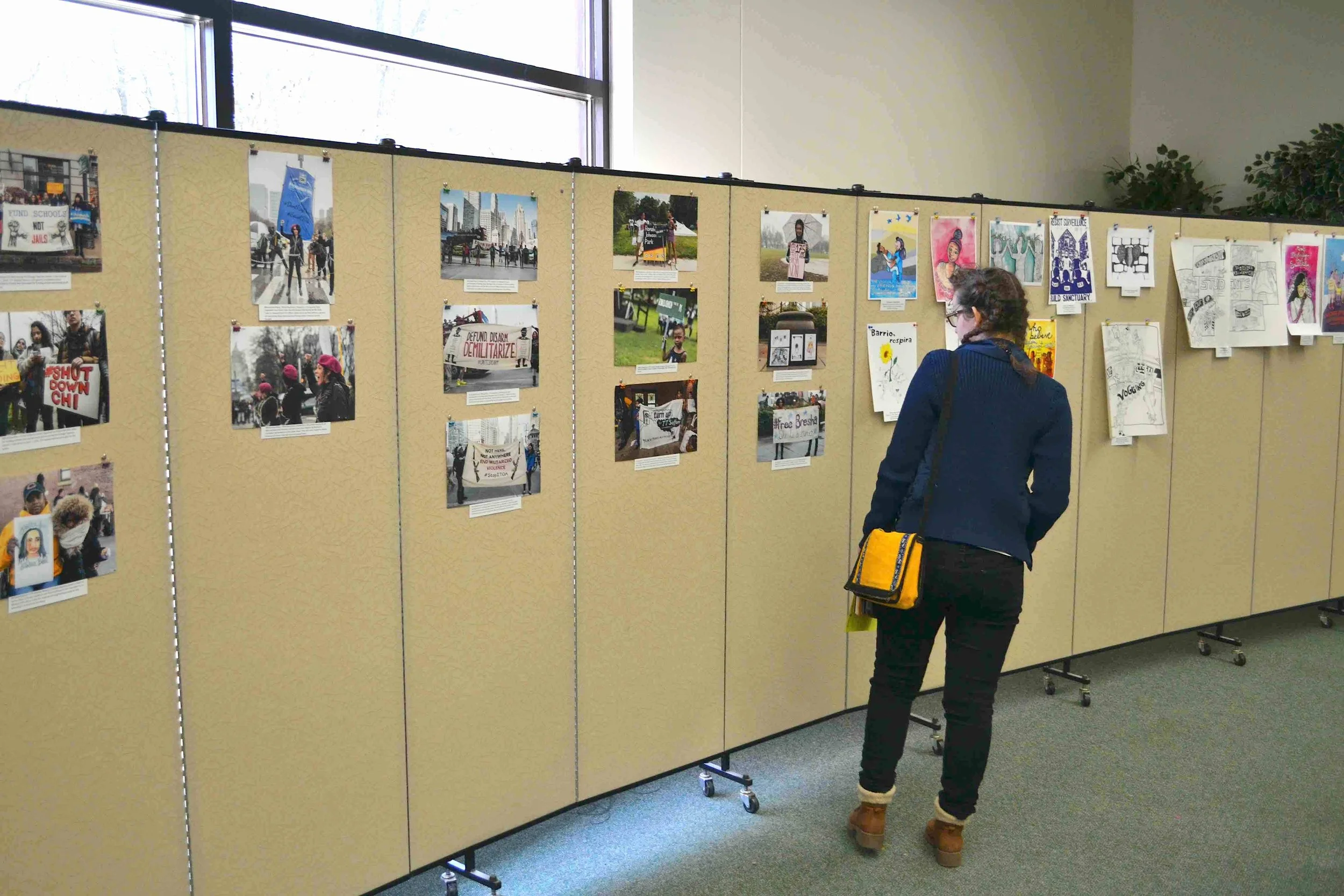
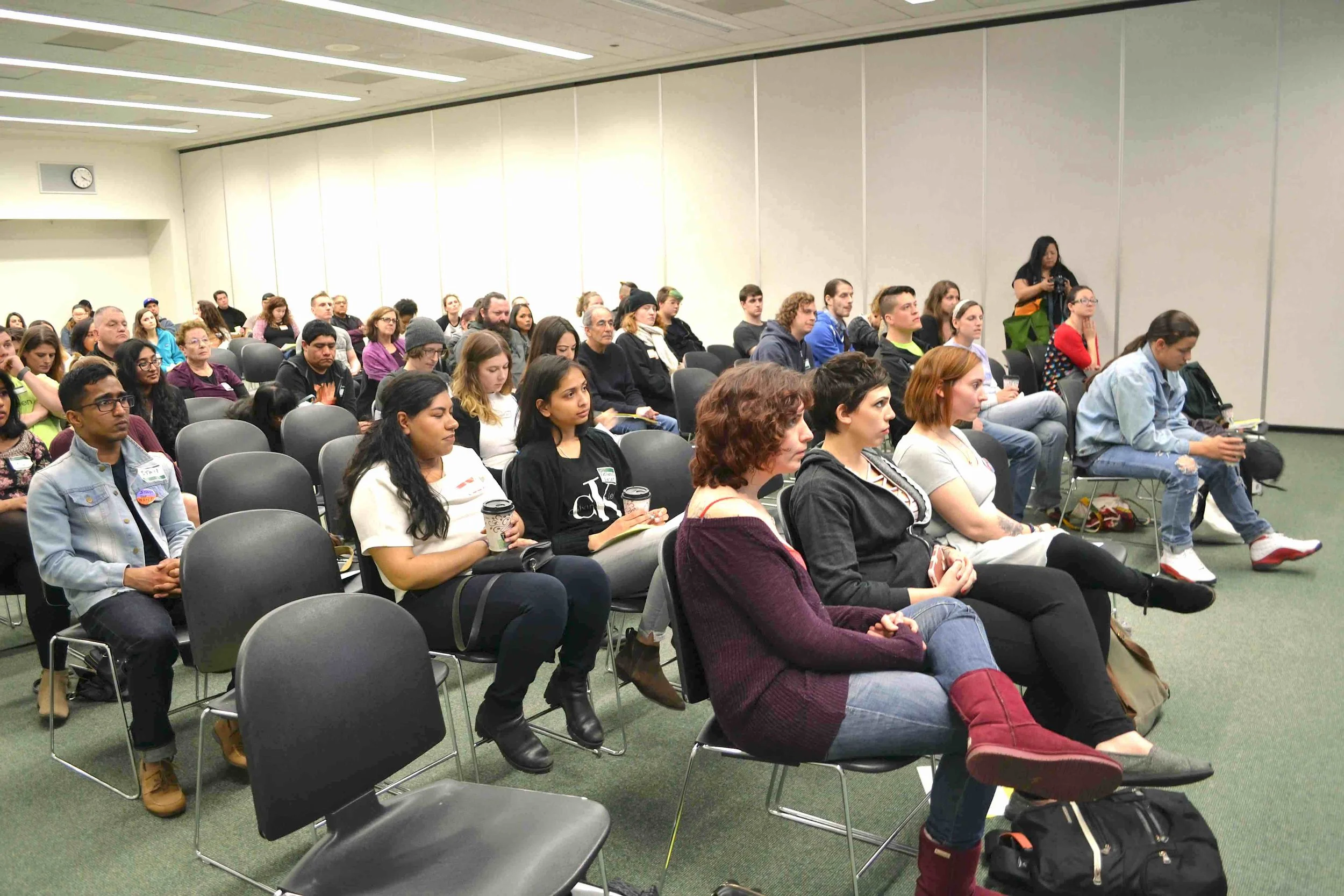
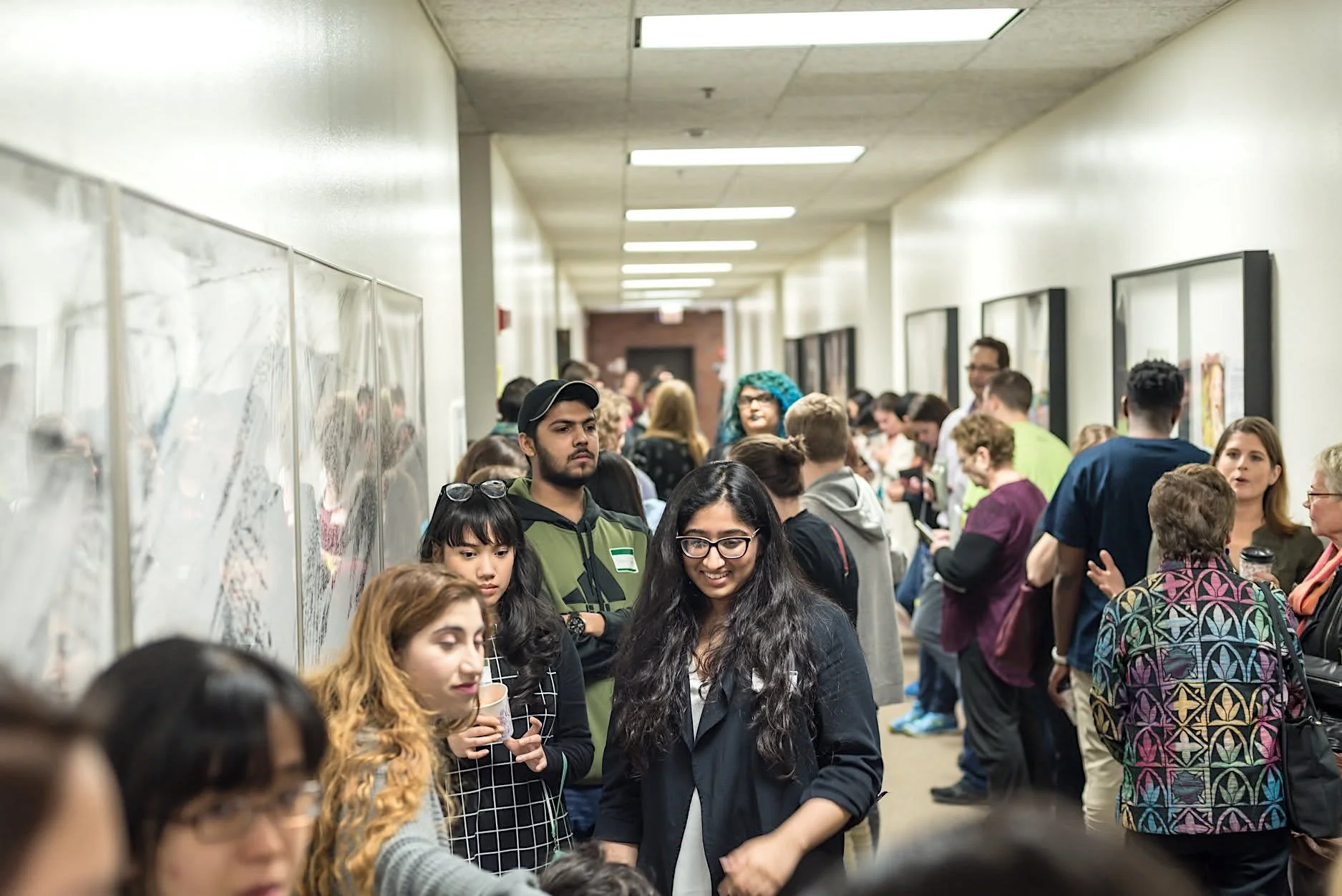
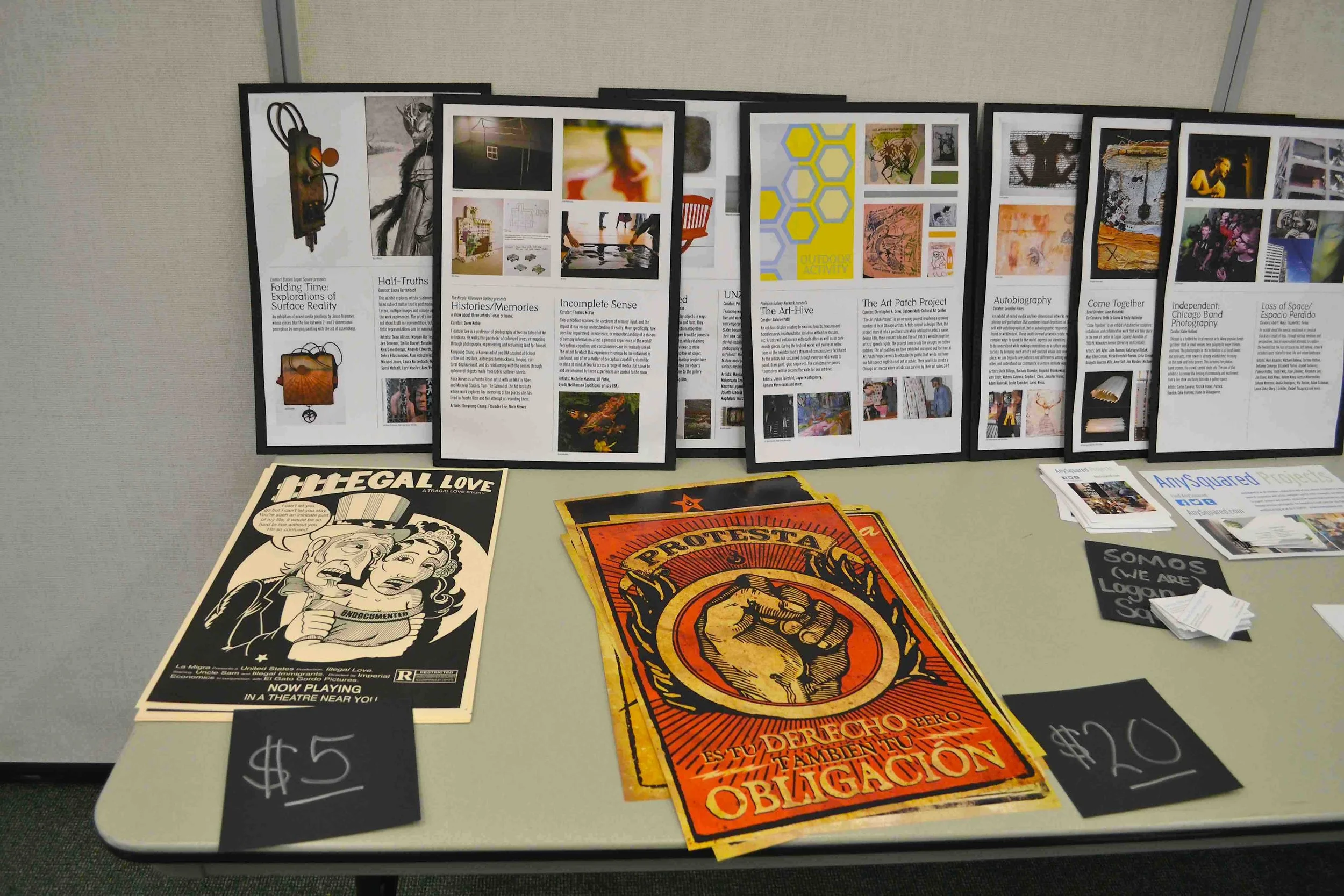
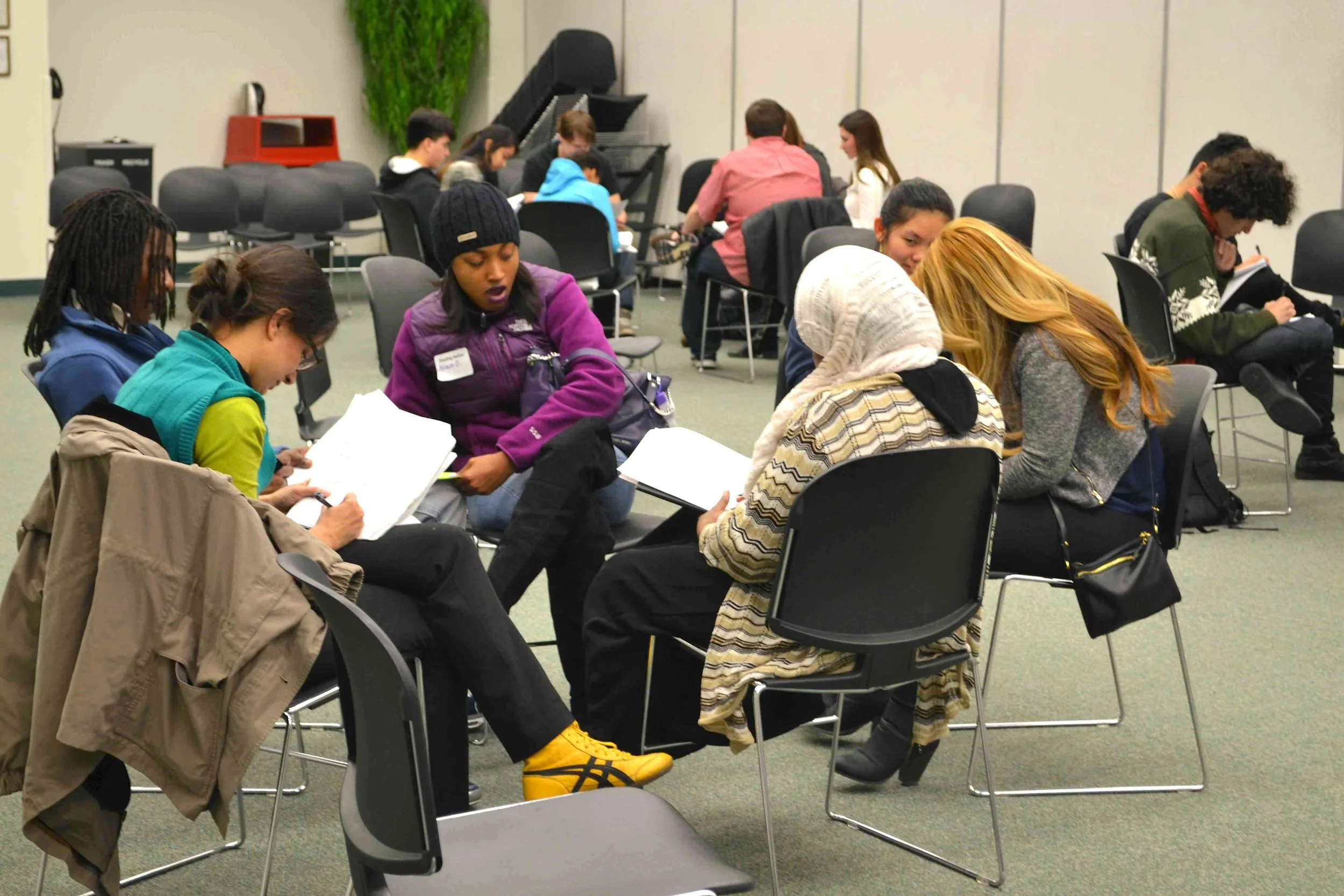
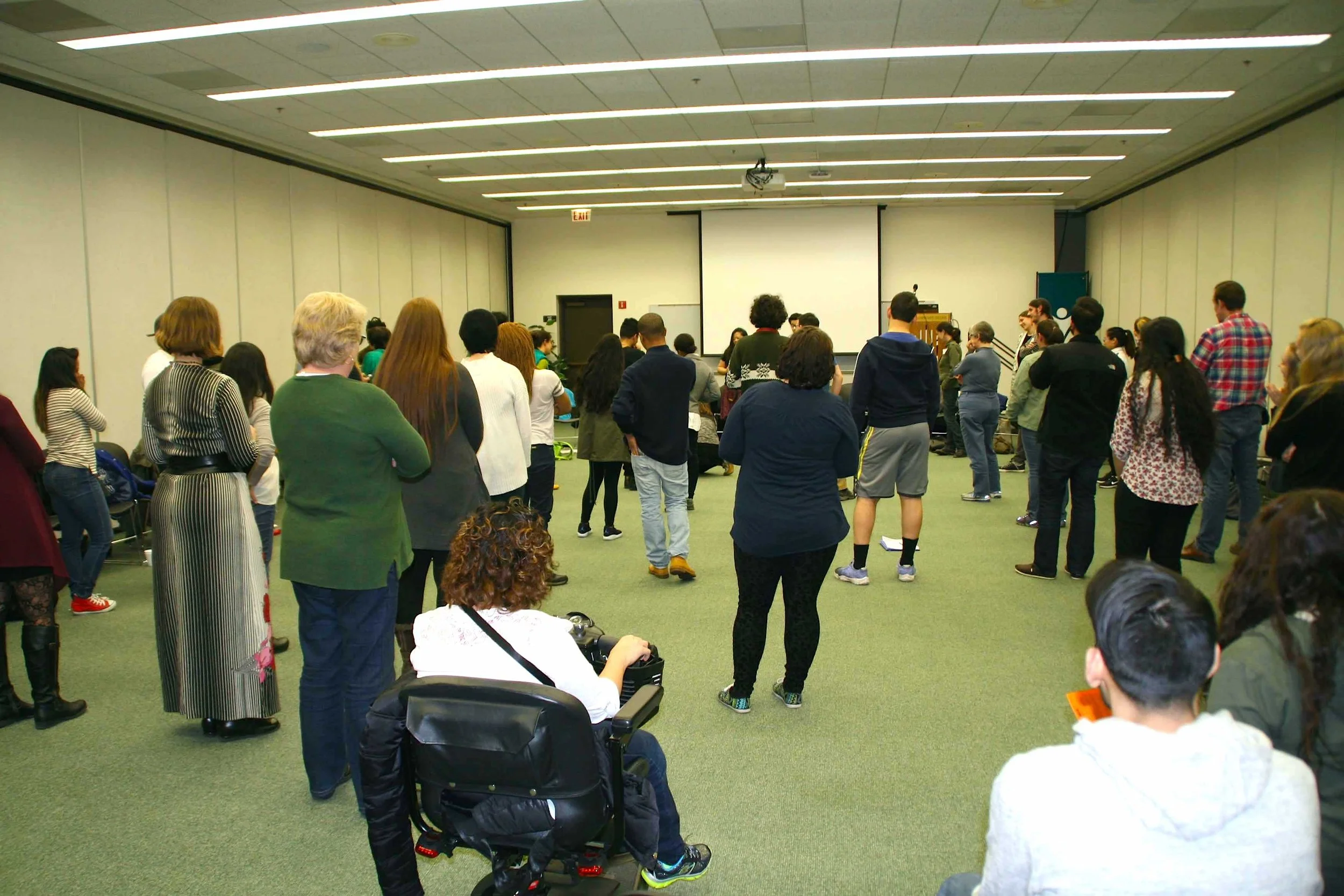
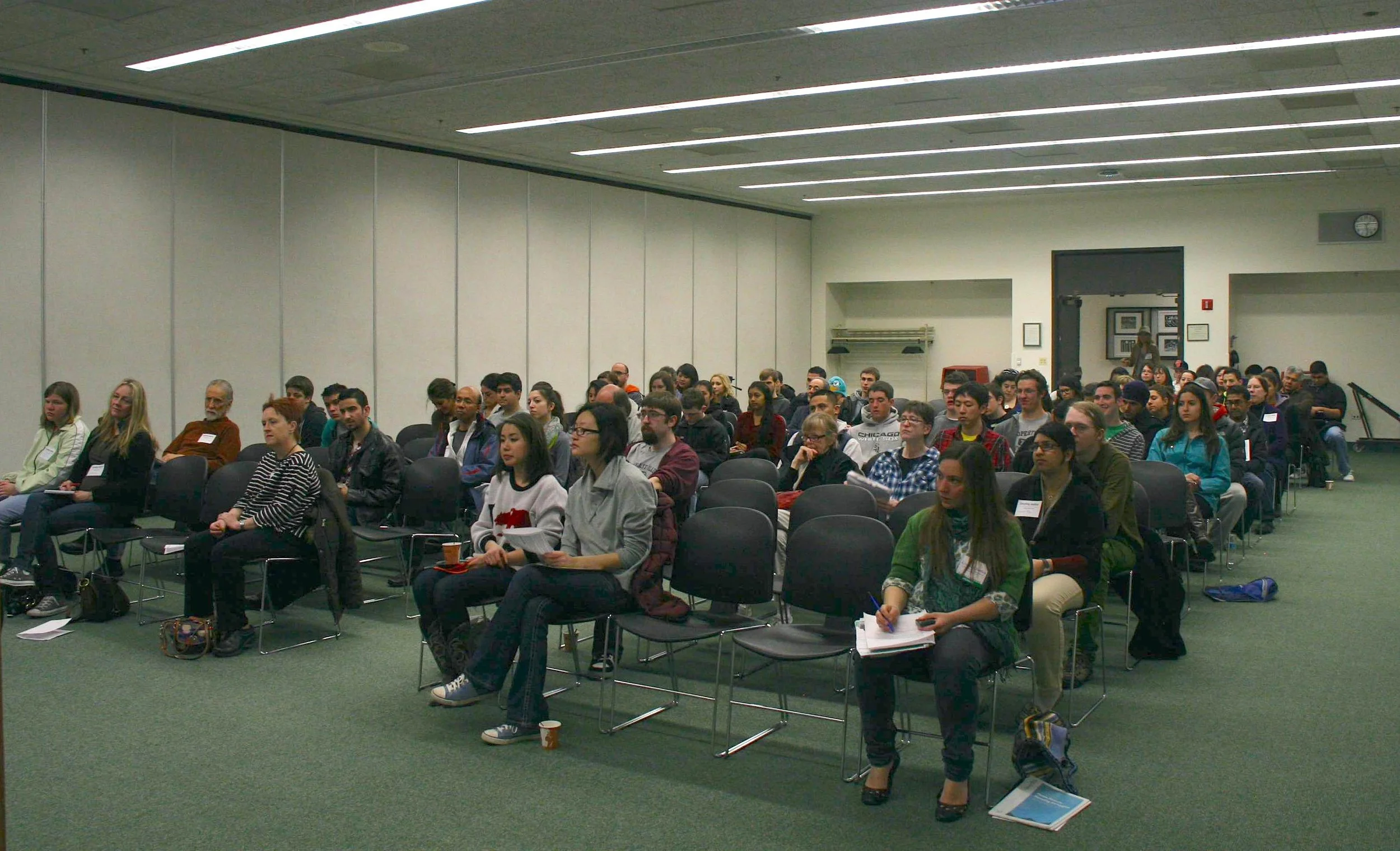
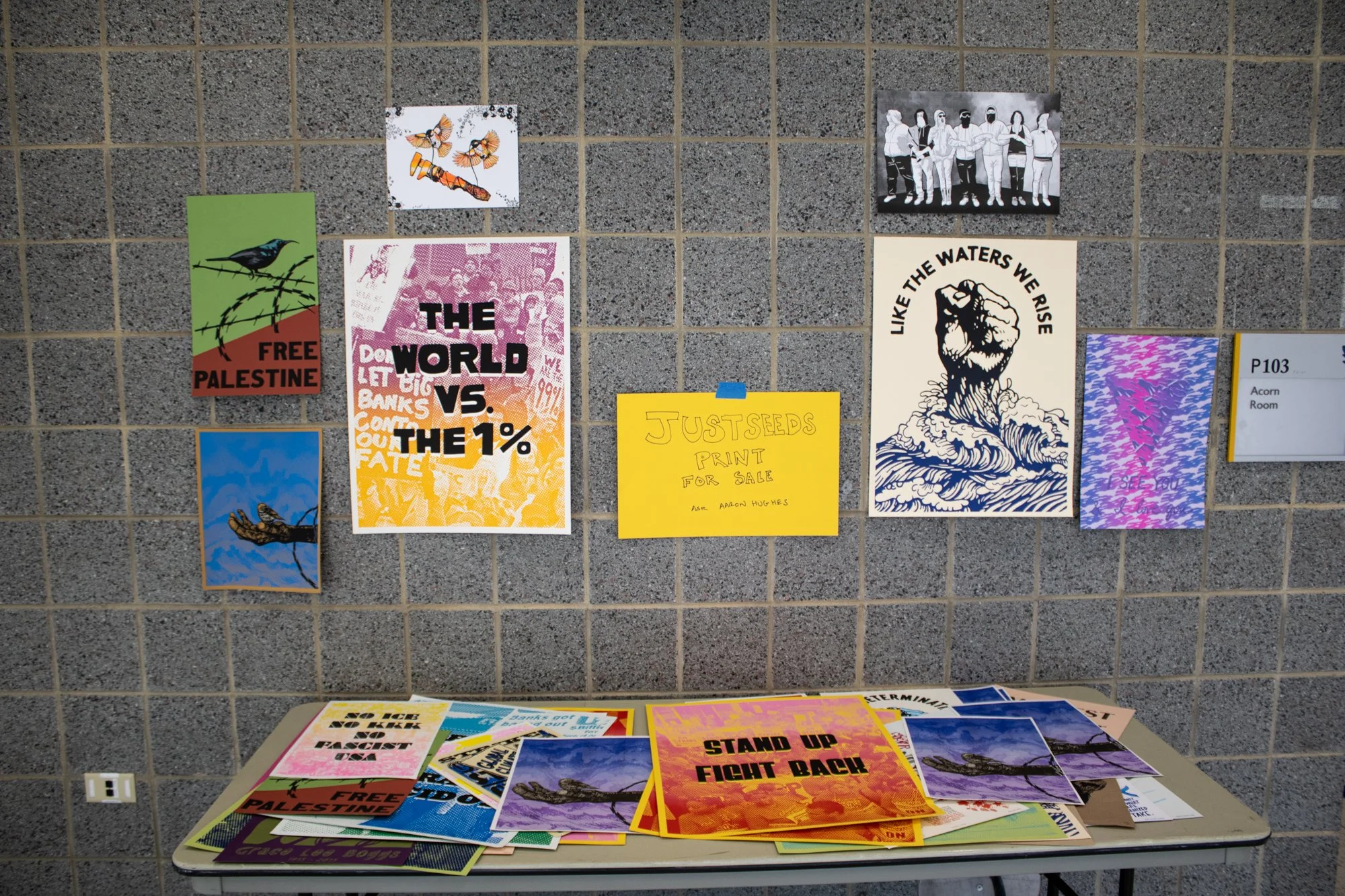
Creating Justice is an annual gathering of artists, organizers, educators, students and community members hosted at Oakton College every spring. Since 2012, each year has brought together a unique set of presentations, workshops, discussions, and performances. Rather than highlight a single theme in a given year, the event aims to highlight the deep and complex relationships and connections not only between different movements and issues, but also between organizations and artists. Every year, the event is a snapshot of collaborations, struggles and projects that are helping to define a moment in ongoing efforts to envision and practice different approaches to creating a more just and caring society. Within this broader focus on the contribution of arts to social justice movements, the sessions are about practice: the opportunity to engage in printmaking, movement, writing, zine making, mapping, music, or the opportunity to engage with artists as they reflect on and share examples from their own practice at a given moment. Some artists and organizers have made a number of presentations over the years, reflecting their changing focus or the different projects and collaborations they have been involved in.
Creating Justice is hosted and supported by Oakton College and was initially developed with a grant from the Oakton Educational Foundation. It has not always been easy for artists working within communities and movements to receive this kind of institutional support. At the same time, Creating Justice has also preserved important aspects of a community gathering, for example, eating a meal together during a musical performance. The programming leaves space for building on spontaneous connections and reconnections. It has also been a family event, open to children, elders, and students’ and participants’ family members, parents and friends. It is an educational and pedagogical practice, rooted in the idea that we can learn deeply about the issues that affect us and our society in dialogue with those who are involved in organizing around them, in research and study aiming at change and transformation. For the humanities, it is an opening to reflect on what we teach and how we teach it.